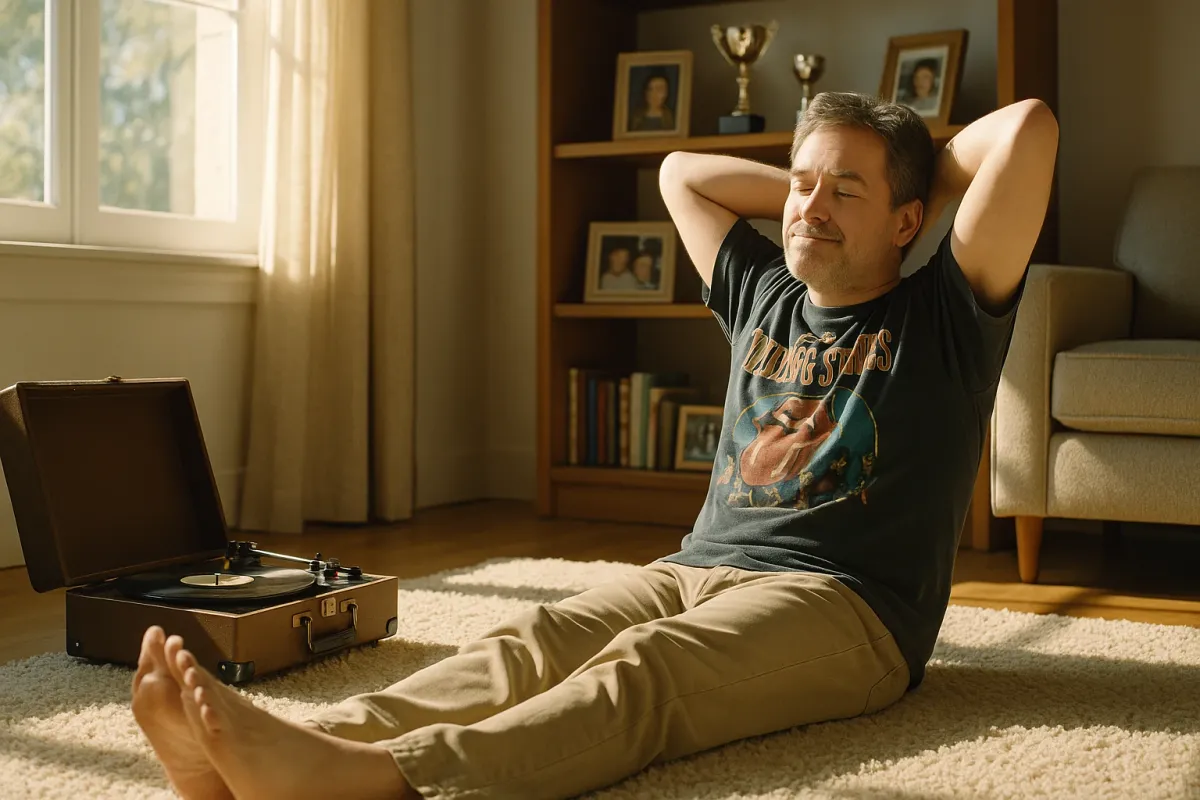
While social media has fun with the aches and groans of getting up from the couch, physical therapists and mobility experts are seeing something powerful in this trend. More people are asking, “What can I do today so I still feel strong, mobile, and independent years from now?” That’s exactly where physical therapy–style movement and smart daily habits come in.
Below are five supportive, research-backed wellness tips inspired by this cultural moment—designed to help you move better, feel younger in your body, and enjoy many more “remember when” moments without the constant soundtrack of crackling joints.
Make “Movement Snacks” Your New Daily Habit
Long, intense workouts can feel intimidating, especially if you’re already dealing with stiffness or pain. That’s why many physical therapists are now encouraging what they call “movement snacks”—short, simple bursts of activity sprinkled throughout your day. Think 2–5 minutes of gentle movement every hour or two. It’s far more achievable than a full gym session and surprisingly effective.
Set a timer or pair your “movement snack” with something you already do: every time you get up to grab water, add 10 slow marches in place, a few shoulder rolls, or a set of sit-to-stands from a chair without using your hands. Over time, these micro-movements improve circulation, joint lubrication, and muscle activation. For people who sit a lot at work, movement snacks can reduce back tightness and neck strain, two common reasons patients end up in physical therapy. You don’t need the perfect routine—just a consistent habit. Your future self will thank you for every small, kind choice you make for your body today.
Treat Your Joints Like Vintage Collectibles: Preserve, Don’t Punish
Those nostalgic posts about old toys, cassette players, or first-generation game consoles remind us how carefully we handle anything that’s “vintage.” Your joints deserve that same level of respect. Physical therapists often see long-term wear-and-tear injuries in knees, hips, and shoulders that come from years of “pushing through” pain or ignoring early warning signs.
Instead of trying to “go hard or go home,” aim for “preserve and progress.” That means choosing low-impact cardio like walking, cycling, or swimming on days your joints feel cranky, and saving jumping or high-impact workouts for when your body truly feels ready. It also means paying attention to alignment—like keeping knees in line with your toes during squats or stairs—and not rushing through movements. Just as you wouldn’t crank an old cassette tape at max volume, don’t force your body past its current limits. With smart pacing and proper form, you build strength around your joints, which protects them and helps you stay active without constant flare-ups.
Rebuild Your Core as Your Everyday “Support Squad”
If there’s one thing physical therapists repeat more than anything, it’s this: your core is not just about abs—it’s your whole midsection working together to support your spine and hips. A strong, well-coordinated core helps you bend, lift, carry groceries, and even sit at your desk with less pain and fatigue. In a world where many of us are bending over phones and laptops, this matters more than ever.
Start with gentle, accessible core work rather than flashy, intense ab routines. Exercises like pelvic tilts, dead bugs, bridges, and side-lying leg lifts are all PT favorites because they build stability without straining your back or neck. Aim for slow, controlled movements where you can breathe normally instead of holding your breath. Done regularly, this kind of core training can ease low-back soreness, improve posture, and make everyday tasks feel lighter. And the best part: you don’t need special equipment or a gym membership—just a bit of floor space and a willingness to show up for yourself consistently.
Use Nostalgia as Motivation, Not a Measure of “How Far You’ve Fallen”
Those “remember when…” posts can sometimes sting. Maybe you think about a time when you could sprint up stairs, dance all night, or play sports without a second thought. It’s easy to compare your current body to your younger self and feel discouraged. Physical therapists see this often—people grieving what they “used to” be able to do.
Instead, try this reframing: let nostalgia remind you what matters to you, not what’s “wrong” with you. Did you love hiking, dancing, playing with your kids, or being the person who always carried the heavy bags? Share those goals with a physical therapist, trainer, or accountability partner. They can help you build a custom plan to work toward those meaningful activities again—maybe in a modified way, maybe at a different pace, but still yours. Progress might look like walking 5 minutes longer without pain, playing one more round with your grandkids, or getting down to the floor and back up more easily. These are real, powerful wins. Your journey hasn’t ended; it’s just in a new chapter.
Turn Pain Signals Into Action Steps, Not Panic
With more people talking openly online about chronic pain, arthritis, and joint replacements, you might be paying closer attention to your own aches. That awareness is valuable—if you use it well. Physical therapy doesn’t view pain as your enemy; it’s information. The key is learning how to respond to that information calmly and constructively.
If a certain activity causes sharp, sudden, or worsening pain, that’s a signal to pause and seek professional guidance. But if you feel mild soreness from trying something new or reintroducing movement after a long break, that can be part of the normal adaptation process. Many PTs encourage using a simple “1–10” scale: keeping most exercise discomfort in the 0–3 range, where it’s noticeable but manageable, and backing off if you hit 5 or higher. Writing down what you did before your pain flared—how long you sat, what you lifted, how you slept—can help a therapist identify patterns and design a plan that gradually expands what you can do without symptoms. Instead of fearing your pain, you’re learning from it—and that’s incredibly empowering.
Conclusion
As the internet collectively giggles over “you know you’re old when…” memes, you don’t have to accept stiffness, weakness, or constant soreness as your fate. Physical therapy principles—small, consistent movement snacks, joint-preserving choices, smart core training, meaningful goals, and calm responses to pain—can help you feel more capable in your body right now, no matter your age.
You’re not behind. You’re not “too far gone.” You’re simply at this point on your journey, with the power to choose what comes next. Let the nostalgia remind you how much life you’ve already lived—and how much more you still deserve to enjoy, with a body that supports you every step of the way.