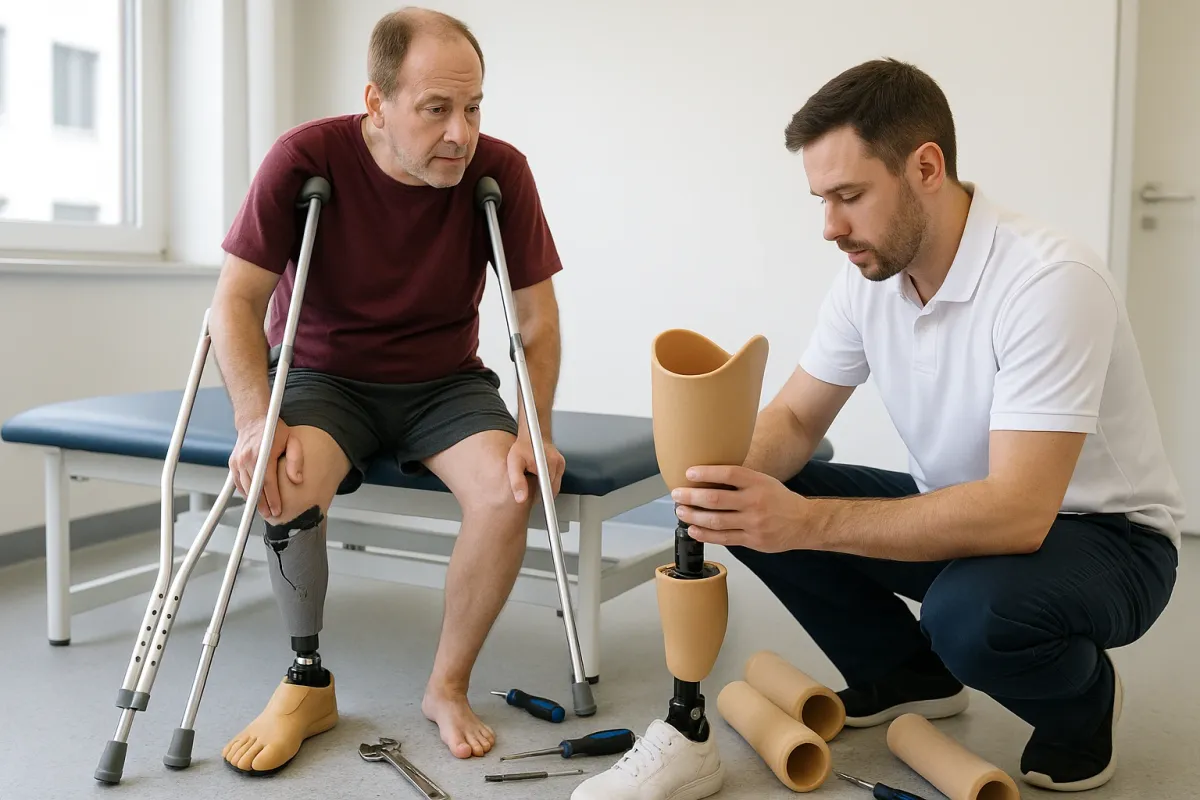
Physical therapy often begins at a moment like that broken prosthetic: something goes wrong, life feels suddenly smaller, and you’re forced to ask, “What now?” If you’re on your own healing journey—whether you use a prosthetic, have chronic pain, or are rehabbing an injury—you deserve more than survival. You deserve support, practical tools, and spaces where your body is respected, not mocked.
Below are five therapist-backed wellness tips to help you move through recovery with more strength, less shame, and a lot more self-compassion.
Redefine “Progress” So It Fits Your Body, Not Someone Else’s
Stories like the broken prosthetic leg often go viral because people can’t believe how casually someone’s mobility and independence can be treated like a joke. That same attitude can sneak into recovery too—when others expect you to “bounce back” on their timeline or walk “normally” overnight.
In physical therapy, progress is rarely linear. One week you’re crushing your home exercises; the next week your residual limb is swollen, your back aches from compensating, or your energy is wiped out. This doesn’t mean you’re failing. A healthier way to track progress is to look at function: Can you transfer a little more safely? Stand a few seconds longer? Walk a few extra steps with support? Celebrate those tiny gains. They’re the building blocks of bigger wins. Give yourself permission to have “maintenance days” where the goal is simply: I moved a little, I listened to my body, and I stayed in the game.
Build A “Safety Net” Routine For Tough Days
If someone can thoughtlessly break a prosthetic leg during a prank, it’s easy to see how unsafe the world can feel when you rely on a device to move. That sense of vulnerability doesn’t disappear when the news cycle moves on. Physical therapy isn’t just about exercises—it’s about creating systems that help you feel safer and more supported in daily life.
Work with your PT (or jot this down for yourself) to create a “bad day” plan: a short list of gentle movements you can do even when pain, fatigue, or logistics get in the way. This might include seated stretches, bed-based core activations, or simple balance drills near a sturdy surface. Add practical pieces too: where you keep backup mobility aids, how you’ll handle transportation if your device fails, and who you can call if you’re stuck. When you know you have a plan—even for hard days—your nervous system can quiet down, and your body often responds better to rehab.
Let Anger And Grief Move Through You, Not Run The Show
That viral prosthetic story triggered a lot of anger online—understandably. When someone disrespects your body, your mobility, or your independence, your feelings are valid. What often doesn’t get discussed is how those emotions can directly affect rehab: tension, muscle guarding, raised pain sensitivity, and a constant “fight or flight” state can make progress harder.
Instead of forcing yourself to “stay positive,” create space to process what happened—to your body, your device, or your sense of safety. Talk with a trusted friend, counselor, or support group, especially if your injury or disability involved trauma or negligence. Many PT clinics now collaborate with mental health professionals because we know healing isn’t just physical. Even simple practices like 3–5 minutes of slow breathing before your exercises can calm your nervous system enough to make each movement feel more accessible and less overwhelming.
Turn Everyday Tasks Into Mini Training Sessions
The man whose prosthetic was broken now faces not just the cost of replacement, but also a reality every physical therapy patient knows: daily life is rehab. The good news is that you can use this to your advantage instead of treating therapy as something that only happens on a clinic table.
Ask your PT how to safely “stack” practice into things you already do. For example, when you’re brushing your teeth, can you work on weight shifting or standing balance if it’s safe to do so? When you’re moving from bed to chair, can you slow down and focus on alignment, using the strategies you practiced in the clinic? If you use a prosthetic, walker, or cane, even the way you transfer into a car can become a functional training moment. These tiny, repeated reps add up massively over weeks and months—and they fit more naturally into your life than an extra hour of formal exercise.
Advocate For Yourself—Your Body Is Not A Punchline
One of the most painful parts of the broken prosthetic story is the dismissiveness: a bodily need was turned into entertainment. That same dynamic can happen in subtle ways in healthcare spaces, families, or workplaces. But physical therapy at its best is about partnership, not hierarchy. You are allowed to speak up.
If an exercise feels unsafe, say so. If your prosthetic socket is rubbing, if your knee feels unstable, if fear spikes every time you try a step—your therapist needs that information. You deserve providers who listen, adapt, and respect your lived experience. And outside the clinic, you have every right to set boundaries: to stop “jokes” about your mobility, to ask for accessible environments, and to expect basic respect for your devices and your body. Self-advocacy isn’t complaining; it’s part of your treatment plan. The more your world becomes aligned with your needs, the more energy you can redirect into healing instead of constant self-protection.
Conclusion
That headline about a broken prosthetic leg and a cruel prank may fade from trending lists soon—but for people living with disability, injury, or chronic conditions, the story behind it is ongoing. Bodies get hurt. Devices fail. People misunderstand or minimize what you carry. And still, you are here, doing the unglamorous, courageous work of trying again.
Physical therapy is not about “fixing” you. It’s about helping you reclaim as much comfort, strength, and independence as your unique body will allow—on your terms. As you move through your own recovery, remember: slow progress is still progress, your feelings are valid, and your body is worthy of care and respect right now, not just once you’ve “fully recovered.”
You’re not behind. You’re in process. And that, all by itself, is powerful.