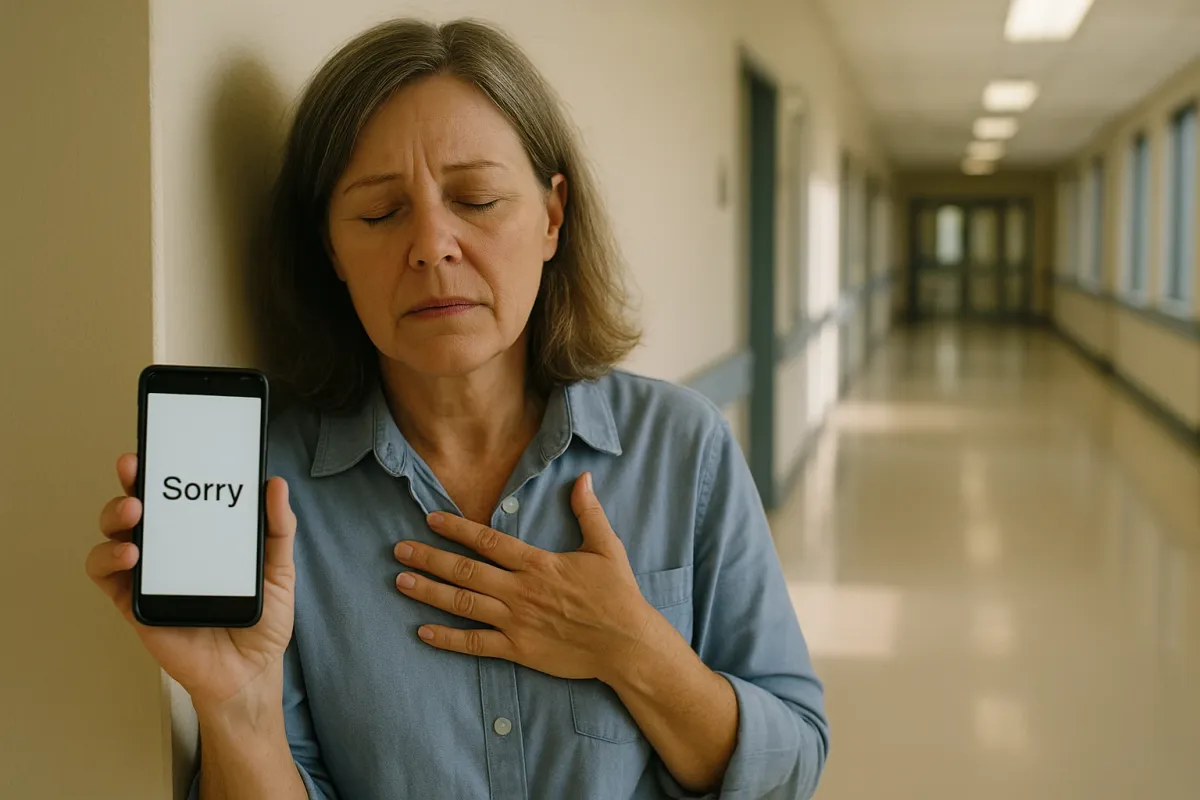
If you’re working toward your own health goals right now—whether that’s managing a condition, building new habits, or simply trying to feel better in your own skin—this moment in the news is a gentle nudge: you don’t have to be perfect to be healing. You just have to keep choosing compassion, especially on the days when you wish you’d handled things differently.
Below are five wellness practices inspired by this real-world moment of apology and growth—practices you can use to bring more grace, resilience, and kindness into your own health journey today.
Practice Self-Compassion As Boldly As Public Apologies
Hilary Swank’s apology was public, vulnerable, and direct—three things we rarely offer ourselves. Yet your health journey will ask you, again and again, to admit: “I didn’t handle that the way I wanted to… and I’m still worthy of care.” Instead of replaying every “mistake” (the missed workout, the emotional eating, the snap at a loved one) as proof that you’re failing, try treating yourself like someone you’d publicly apologize to: clearly, kindly, and without excuses. You might say to yourself: “Yesterday was rough. I was overwhelmed. That behavior isn’t who I want to be, but I understand why it happened. Today I choose one small step in a better direction.” This isn’t letting yourself off the hook—it’s giving your nervous system enough safety to try again. Research consistently shows that self-compassion, not self-criticism, is linked to better long-term health behaviors, from exercise to medication adherence. You deserve the same grace we praise in others.
Remember: You Never Know What Someone’s Body Is Going Through (Including Your Own)
The backlash against the mother in Swank’s story—despite her children’s terminal condition—highlights something uncomfortable about our culture: we often rush to judgment without knowing the full health story. This doesn’t just happen online; it happens silently in our own heads. We judge the person using the elevator instead of the stairs, the body that doesn’t look “fit,” the colleague who “always seems tired,” or even ourselves for not bouncing back fast enough. Your reminder today: you rarely see the whole picture. Chronic illness, mental health struggles, side effects from treatment, caregiving exhaustion—these often live behind the scenes. As a health goal for yourself, try replacing “What’s wrong with them/me?” with “What might they/I be carrying that I can’t see?” This quiet shift toward curiosity instead of criticism lowers stress, softens shame, and makes it easier to ask for help when you need it.
Turn Regret Into A Health Reset, Not A Life Sentence
News cycles move fast, but what makes this story meaningful is what happens after the apology—what people choose to do with the discomfort. On your own health path, regret can either freeze you or free you. Maybe you regret ignoring early symptoms, delaying that doctor’s visit, pushing your body too hard, or waiting years to address your mental health. Regret is a sign that you care; it doesn’t have to be a punishment. Treat it like a notification, not a verdict. Ask: “What is this regret trying to protect me from in the future?” Maybe it nudges you to schedule that checkup, take your medication on time this week, be honest with your doctor, or finally set a boundary around sleep. One concrete, health-supporting action taken today is more powerful than weeks of self-blame. Your body is listening not to what you wish you had done, but to what you choose to do next.
Build Emotional Safety Into Your Health Goals
Stories like Swank’s remind us that hard conversations—about illness, fear, or pain—can trigger defensiveness, guilt, and emotional overload. Your health habits don’t exist in a vacuum; they’re deeply tied to how safe or unsafe you feel inside. Instead of designing goals that rely on constant willpower (“I must never miss a workout again” or “I’ll only eat ‘clean’ now”), create goals that honor emotional reality. You might say: “When I feel overwhelmed, I will choose the gentlest version of my goal, not abandon it.” That might look like a 10-minute walk instead of a full workout, a nourishing snack instead of skipping meals, journaling for five minutes instead of scrolling until midnight. Emotional safety is also about communication: letting trusted people know what you’re working on and what support actually helps (a check-in text, joining you for a walk, giving you space when you’re low-energy). Health goals rooted in emotional safety last longer because they don’t depend on you being invincible.
Make Kindness A Daily Health Habit (For You And For Them)
The internet loves drama, but what actually heals is much quieter: the everyday choice to be kinder than you need to be. In the shadow of a story about terminal illness and public apology, it’s easy to feel helpless. But you have real power today, right where you are. Kindness changes your biology—lowering stress hormones, supporting heart health, and even improving immune function. Make it part of your health toolkit, not an afterthought. That might mean offering your place in line to someone who looks tired, sending a message to a friend struggling with their health, or simply deciding not to comment on someone’s body—online or in person. And don’t forget inward kindness: noticing fatigue and choosing rest instead of pushing through, speaking to yourself in the same tone you’d use with a scared child, or celebrating tiny wins (drinking water, showing up to an appointment, taking a walk after a tough day). In a world that critiques loudly, choosing quiet kindness is a radical, health-supporting act.
Conclusion
This week’s headlines about Hilary Swank’s apology and a family facing unimaginable illness aren’t just distant drama—they’re a mirror. They remind us that every body you encounter, including your own, is moving through something fragile and profound. Your health journey will include missteps, misunderstandings, and days you wish you could redo. That doesn’t disqualify you from healing; it makes you human.
If you take one thing with you today, let it be this: you are allowed to change course, to apologize (to others and to yourself), and to start over as many times as it takes. Your health goals don’t require perfection. They ask for presence, honesty, and a willingness to keep showing up with just a little more compassion than yesterday.
You’re not behind. You’re right on time to begin again—gently, bravely, and with your whole heart.