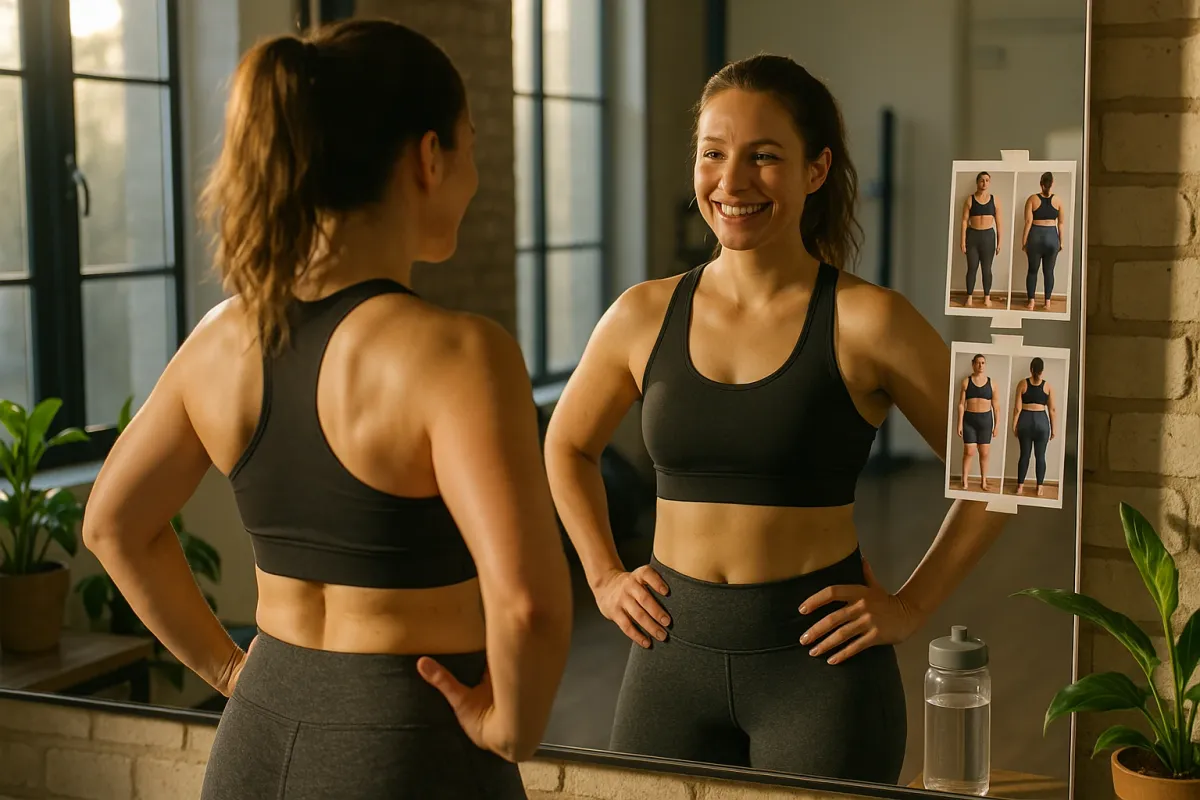
If you’re working on your own health goals—whether that’s walking without pain, lowering your stress, improving your sleep, or just feeling more like yourself—these stories are more than heartwarming. They’re a powerful reminder that progress is rarely instant, always imperfect, and absolutely worth the effort. Let’s borrow the spirit of those “how it started vs. how it’s going” transformations and turn it into practical, compassionate steps you can use right now.
Turn “How It Started” Into a Clear, Kind Starting Point
Those viral before-and-after posts often begin with someone’s honest “day one”: a hospital wristband, a tearful selfie, or a moment of frustration with their own reflection. What makes the “after” so powerful is that they didn’t hide the “before.” You can do the same by creating a clear, kind snapshot of where you are today.
Instead of criticizing yourself, simply notice: How does your body feel when you wake up? How far can you walk comfortably? How are your energy, mood, and sleep? Write down a few simple facts—no judgment, just data. This becomes your “how it started” moment. By accepting your current reality, you give yourself a solid ground to grow from. Remember: a starting point is not a verdict. It’s just the first page of a story you’re still writing.
Set “Feel-Good Goals,” Not Punishment Goals
Many of the uplifting stories going viral right now have a common thread: people didn’t just chase a number on a scale or a step counter; they chased a feeling—like being able to play with their kids, hike with friends, or wake up without dread. That shift changes everything.
Instead of “I have to lose X pounds,” try goals like “I want my knees to hurt less when I climb stairs,” or “I want to fall asleep more easily,” or “I want enough energy to enjoy my evenings.” Then break that down into gentle, specific behaviors: stretching for five minutes daily, adding one vegetable to lunch, turning off screens 30 minutes before bed. Feel-good goals are rooted in self-respect, not self-punishment. They pull you forward instead of pushing you from behind with guilt.
Celebrate Micro-Wins Like They’re Viral Posts
The “how it’s going” photos get thousands of likes because they represent months or years of tiny, unglamorous choices. No one goes viral for “logged eight glasses of water today” or “walked for seven minutes instead of five”—but those are exactly the kinds of actions that create real change over time.
Start treating your own micro‑wins as headline‑worthy. Did you do your home exercise program once more this week than last week? That’s progress. Did you choose to stretch instead of scroll for five minutes? That’s progress. You can track these in a notebook, an app, or a simple note on your phone. At the end of each week, write a short “how it’s going” summary: three things you did well, even if they were tiny. Your brain needs evidence that you are changing. Micro‑wins are that evidence.
Expect Plot Twists—And Stay on Your Own Timeline
If you read the comments on those transformation posts, you’ll see two patterns: people cheering each other on, and people comparing themselves (“Why can’t I do this?” “It took them only six months!”). The truth is, you only ever see a highlight reel—never the full struggle, the setbacks, or the days they wanted to quit.
On your health journey, you will have flare‑ups, stressful weeks, interrupted routines, and motivation dips. That doesn’t mean you’ve failed. It means you’re human. Instead of asking, “Why can’t I be consistent?” ask, “What’s one small thing I can still do, even in this messy week?” Maybe that’s drinking water, doing two minutes of breathing exercises, or doing the first exercise from your physical therapy program. Progress doesn’t disappear because you had a hard day or week; it just pauses. You’re allowed to hit “play” again whenever you’re ready.
Turn Your Journey Into a Compassionate Story
One reason “how it started vs. how it’s going” stories spread so fast is that they’re narratives: there’s struggle, effort, and a hopeful shift. You can frame your own health journey as a story too—one where you’re not the villain for “letting yourself go,” but the main character learning to take better care of themselves.
Try this simple practice: once a week, write a few sentences starting with, “This week in my health story…” Mention one challenge you faced, one choice you’re proud of, and one thing you’re curious to try next week. Over time, these small reflections become your personal highlight reel, even if you never share it online. When you view yourself as a person in progress, not a problem to be fixed, it gets easier to treat your body with patience and respect.
Conclusion
Those uplifting “how it started vs. how it’s going” posts trending right now aren’t just feel-good content—they’re quiet invitations. They’re proof that ordinary people, with busy lives and real obstacles, can move toward less pain, more strength, calmer minds, and fuller lives.
You don’t need a dramatic before-and-after to justify your journey. You only need a starting point, a handful of feel-good goals, and the courage to honor every small step. If today feels like “how it started,” that’s okay. Keep going. The “how it’s going” version of you is already in motion, one kind choice at a time—and you deserve to meet them.