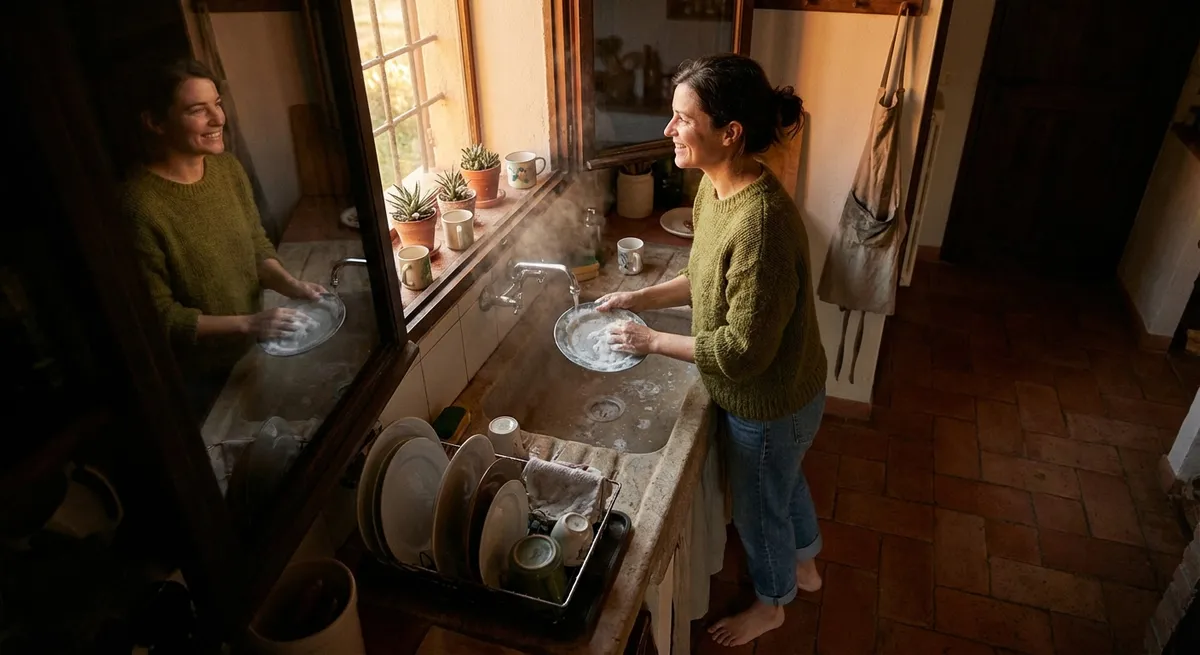
Yet those small, steady moments are often where real wellness takes root.
This isn’t about becoming a “perfect” version of you. It’s about noticing the ways you’re already showing up for yourself, and giving your mind and body room to heal at a human pace. If you’ve ever wondered, “Is any of this even working?”—this is for you.
Seeing Progress In The Changes You Can’t Measure
Wellness isn’t just about numbers on a scale, steps on a tracker, or streaks on an app. Some of the most powerful shifts are internal and invisible.
You might realize you’re getting a little better at pausing before reacting, or at listening to your body instead of pushing through every signal it sends. You may still have hard days, but perhaps they don’t knock you down as long as they used to. That’s progress.
Research on behavior change and mental health shows that gradual, sustained shifts—like building self-compassion and flexible thinking—often predict long-term success more than intense short bursts of effort. You may not see those shifts in a mirror or in a spreadsheet, but they still matter deeply.
When you start to notice:
- A slightly softer inner voice when you miss a workout
- A gentler choice with food after a stressful day
- A decision to rest instead of powering through pain
those are all signs that something in you is healing. The more you acknowledge them, the more you reinforce them.
Giving Yourself Permission To Move At A Human Pace
Healing doesn’t move in a straight line. There are days when everything clicks—and days when it feels like you’re back at square one. That doesn’t mean you’ve failed. It means you’re human.
Bodies and nervous systems heal in cycles: effort, recovery, integration, and then another round. Even athletic training and physical rehabilitation are built around this pattern. Your wellness journey works the same way.
Instead of demanding constant improvement, try asking:
“What pace would feel sustainable for me this week, not just impressive for today?”
You might:
- Shorten a workout instead of skipping it entirely
- Choose one simple, realistic habit to protect your sleep
- Focus on how you want to feel, not just what you want to accomplish
When you allow yourself to move at a pace you can actually sustain, you’re not “settling.” You’re building a foundation that’s strong enough to carry you through the harder days.
Five Grounding Wellness Tips You Can Actually Use
Here are five supportive practices that fit into real, messy lives—not fantasy versions of them. You don’t need to do all of them. Start with what feels most doable and kind.
1. Trade All-Or-Nothing For “A Little Is Better Than Zero”
The idea that “if I can’t do it perfectly, it doesn’t count” quietly destroys progress. A ten-minute walk still benefits your heart and mood. A two-minute stretch still helps stiff joints. A single glass of water still supports your body.
Studies show that even small bouts of activity or brief relaxation practices can improve stress, sleep, and physical health. So instead of asking, “Can I do it perfectly?” try: “What’s the smallest version of this I can manage today?”
Some examples:
- Can’t do a full workout? Do five minutes of gentle movement.
- Too tired for deep cleaning? Tidy one surface or one corner.
- Overwhelmed by meal prep? Add one fruit or vegetable to what you already eat.
These tiny “better-than-zero” choices stack up over time. They’re not a consolation prize—they’re the actual path.
2. Ask Your Body One Honest Question Each Day
Your body is constantly giving you information, but it’s easy to tune it out—especially if you’ve spent years pushing through pain, fatigue, or stress.
Once a day, pause and ask:
“What is my body trying to tell me right now?”
Then notice without judgment:
- Am I tense? Hungry? Thirsty? Overstimulated? Exhausted?
- Do I need movement or stillness? Warmth or fresh air?
- Does something hurt in a way that needs attention, not more pushing through?
This gentle check-in helps rebuild trust between you and your body. It’s not about overanalyzing every sensation; it’s about remembering that your body is your ally, not your enemy. Responding to its signals—even in small ways—can reduce stress and help you make better choices for your physical and emotional health.
3. Create One Tiny Anchor For Tough Days
On hard days, everything can feel heavy: routines, decisions, even getting out of bed. That’s where an “anchor habit” comes in—a simple, pre-decided practice that you lean on when you don’t have much energy or motivation.
An anchor is:
- Small enough to do on your worst days
- Meaningful enough to give you a sense of care or stability
Examples:
- Drinking a glass of water before coffee
- Opening a window for two minutes of fresh air
- Doing three slow breaths before checking your phone
- Sending one text to someone you trust to say, “Today is hard”
The goal isn’t perfection; it’s continuity. Your anchor says, “Even when things are rough, I am still showing up for myself in some way.” That reminder can be surprisingly powerful.
4. Speak To Yourself Like You Would To Someone You Love
For many people, the harshest voice in their life is their own. You might say things to yourself you would never say to a friend—or even a stranger.
Self-compassion isn’t about letting yourself off the hook; it’s about creating an inner environment where change is actually possible. People who practice self-compassion are more likely to stick with health goals, bounce back from setbacks, and take responsibility in a balanced way.
Try this simple shift:
- When you catch yourself thinking, “I’m so lazy” or “I’ll never get this right,” pause.
- Ask: “If someone I care about was struggling with this, what would I say to them?”
- Then direct that same tone and language toward yourself, even if it feels awkward.
You don’t have to believe it fully at first. You’re training a new mental muscle, and like any muscle, it strengthens with gentle repetition.
5. Notice—and Name—Your Quiet Wins
Your brain is wired to pay more attention to what’s wrong than what’s going well. This “negativity bias” helped humans survive, but it can make your progress invisible.
At the end of the day, try naming one or two “quiet wins”—small ways you supported yourself or showed up differently.
A quiet win might be:
- Choosing to rest before you were completely depleted
- Following through on one small habit
- Speaking up at a medical appointment
- Saying no to something that didn’t support your well-being
You can write these down, say them out loud, or share them with a trusted person. Over time, this practice trains your mind to notice growth, not just perceived failures. That shift in awareness can fuel more of the behavior you want to keep.
Letting Your Journey Be Fully Yours
Your wellness journey doesn’t have to look like anyone else’s to be real and worthy.
You’re allowed to:
- Heal at a pace that makes sense for your life
- Change your mind as you learn what actually helps you
- Rest without “earning” it through exhaustion
- Ask for support instead of doing everything alone
If today feels like progress, honor that. If today feels heavy, you’re still not back at the beginning—you’re just at a bend in the path. The knowledge, resilience, and self-awareness you’ve been building come with you, even on the hardest days.
You are not behind. You’re in the middle of a story that’s still being written, and every small, caring choice you make for yourself is a line in that story.
You’re allowed to keep going gently. That still counts as forward.
Sources
- Centers for Disease Control and Prevention – Physical Activity Basics - Overview of how even small amounts of physical activity can benefit health
- American Psychological Association – The Road to Resilience - Explains how people adapt to adversity and the role of small, ongoing efforts
- Harvard Health Publishing – The Power of Small Steps - Discusses how modest, consistent behavior changes can improve health over time
- Greater Good Science Center, UC Berkeley – Self-Compassion Research - Summarizes research on self-compassion and its impact on motivation and well-being
- National Institutes of Health – Positive Psychology and Well-Being - Reviews evidence on how positive attention to strengths and small wins supports mental health