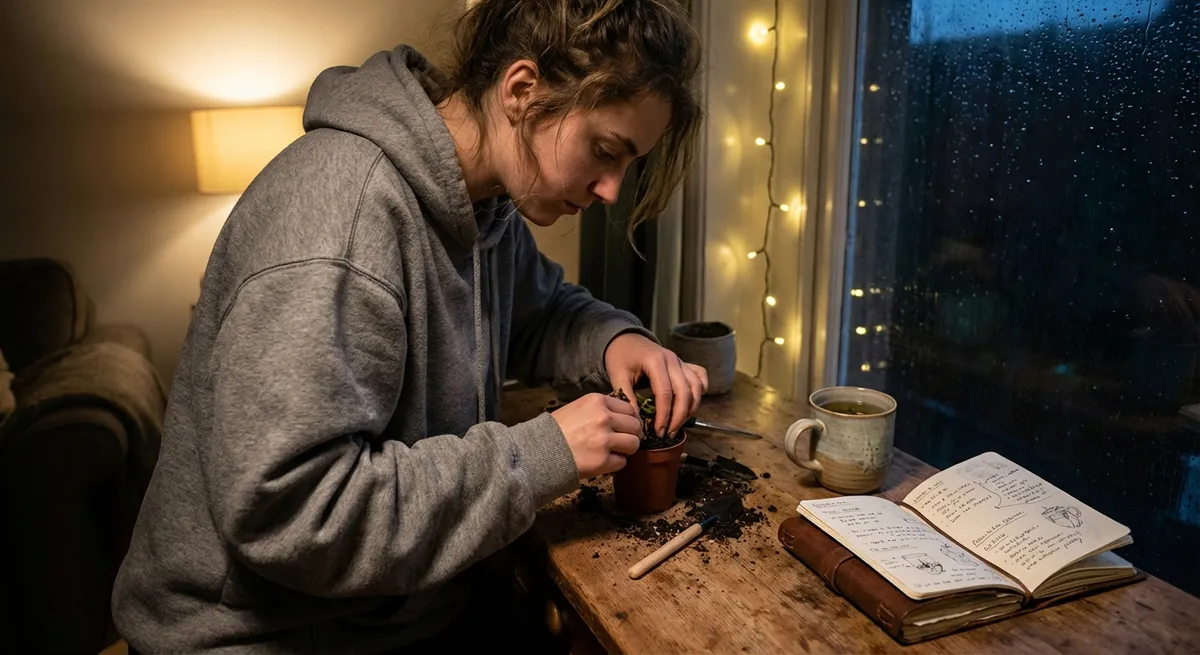
Recovery isn’t about “snapping back” or proving anything to anyone. It’s about slowly rebuilding trust with your body, your mind, and your future. This is your quiet comeback, and it’s allowed to look different from anyone else’s.
Below are five gentle, practical wellness tips to support you as you move through your own recovery—whether it’s from injury, illness, burnout, surgery, or a long season of stress.
Honoring Your Actual Energy, Not Your “Should” Energy
Many people try to recover at the pace they think they should be at, not the pace their body can realistically handle. That gap can lead to frustration, shame, and even setbacks.
Instead of forcing yourself to meet an imaginary standard, pause and ask: “What level of effort is truly available to me today?” Some days it might be a full physical therapy session or a walk outside. Other days it might be stretching in bed or simply focusing on deep, steady breathing.
Listening to your real energy:
- Helps prevent overexertion and flare-ups
- Teaches you to trust your body’s signals again
- Reduces guilt around needing rest
Try this simple check-in: rate your energy from 1–10 when you wake up, mid-day, and before bed. Let these numbers guide your choices, instead of pushing yourself to meet yesterday’s version of you. You’re not falling behind—you’re respecting the body that’s working hard to heal.
Turning Micro-Wins Into Fuel for Tomorrow
When your progress feels slow, it’s easy to overlook the meaningful steps you’re actually taking. Recovery is often made of micro-wins—small, repeatable actions that quietly add up over time.
Micro-wins might look like:
- Doing 5 minutes of your exercise routine instead of skipping it entirely
- Choosing the supportive shoe, brace, or tool your provider recommended
- Drinking a full glass of water before your morning coffee
- Following up on that medical appointment you’ve been putting off
These may not feel “big enough,” but they build momentum. Your brain responds to small, consistent successes by strengthening confidence and motivation. Try keeping a “Recovery Wins” list on your phone or in a notebook. Each day, write down one to three small things you did that supported healing—even if it felt tiny in the moment.
Over time, this becomes evidence: proof that you are showing up for yourself, even on days when self-doubt is the loudest voice in the room.
Letting Rest Be Part of the Work, Not the Enemy of Progress
Many of us were taught to see rest as laziness or weakness, especially when trying to “get back to normal.” But in nearly every type of recovery—injury, surgery, illness, emotional exhaustion—rest isn’t a distraction from healing. It is healing.
Quality rest:
- Supports immune function and tissue repair
- Improves mood and stress resilience
- Makes movement and rehab more effective
- Helps with pain management and emotional regulation
Instead of asking, “Have I earned rest?” try asking, “What kind of rest would support me best today?” That might mean:
- Physical rest: lying down, elevating a limb, taking pressure off joints
- Mental rest: stepping away from screens, news, or emotionally heavy conversations
- Sensory rest: dim lights, soft sounds, gentle breathing
- Emotional rest: allowing yourself to feel how hard this is, without judging it
You’re not weak for needing rest; you’re wise for recognizing your limits and working with your body instead of against it.
Rewriting Self-Talk: From Blame to Compassionate Coaching
The way you speak to yourself during recovery can either drain your strength or quietly rebuild it. Harsh thoughts like “I’m so behind,” “I should be over this by now,” or “I’m failing” don’t speed up healing—they increase stress, tension, and shame.
Compassionate self-talk doesn’t mean pretending things are easy. It means telling yourself the kind of truth that helps you keep going. For example:
- Instead of: “I’m so weak.”
Try: “I’m doing my best with what my body can do today.”
- Instead of: “Everyone else would handle this better.”
Try: “No one else is living my exact story. I’m learning as I go.”
- Instead of: “I messed everything up.”
Try: “I hit a setback, and I can still take a small step forward from here.”
You can even imagine talking to a close friend who is going through the same thing. What would you say to them? Often, that’s the voice you most need to hear from yourself.
Your inner dialogue may not change overnight, but every compassionate thought is like a hand on your own shoulder, reminding you: you’re worth being kind to—especially when things are hard.
Asking for Support Without Feeling Like a Burden
One of the bravest parts of recovery is admitting you can’t do everything alone. That doesn’t make you a burden; it makes you human.
Support can look like many things:
- Having a friend drive you to appointments or sit with you afterward
- Asking a family member to help with meals, chores, or childcare while you heal
- Seeking professional support from a therapist, support group, or coach
- Letting your healthcare team know when your pain, anxiety, or fatigue changes
If asking for help feels uncomfortable, try being specific:
“I’m having a harder week with my recovery. Could you help me with [exact task]?”
Most people want to help but don’t know how. Clear requests give them a way to show up for you.
You are not meant to carry healing alone. Leaning on others doesn’t erase your strength—it reveals it. It takes courage to be honest about your limits and needs.
Conclusion
Recovery rarely looks like a straight line—and it doesn’t have to be dramatic to be meaningful. Quiet efforts count. Slow days count. Imperfect attempts count.
As you move through this season, remember:
- Your real energy is more important than your expectations
- Micro-wins today become bigger changes over time
- Rest is a healing tool, not a sign of failure
- The way you talk to yourself can soften the road ahead
- Asking for help is a powerful act of strength, not weakness
You are allowed to take your time. You are allowed to start small. You are allowed to heal in a way that makes sense for your body and your life.
Your comeback might be quiet—but it is still a comeback.
Sources
- National Institutes of Health – The Importance of Rest and Recovery - Explores how rest and recovery impact physical performance, adaptation, and overall health
- Mayo Clinic – Chronic Pain: Self-Management and Coping - Covers practical approaches to pacing, self-care, and daily strategies for living with pain
- Cleveland Clinic – The Power of Positive Self-Talk - Explains how inner dialogue affects stress, mental health, and resilience
- American Psychological Association – Building Social Support for Health - Discusses why emotional and social support matter during illness and recovery
- Harvard Medical School – The Healing Power of Sleep - Details how sleep and rest contribute to immune function, mood, and physical healing