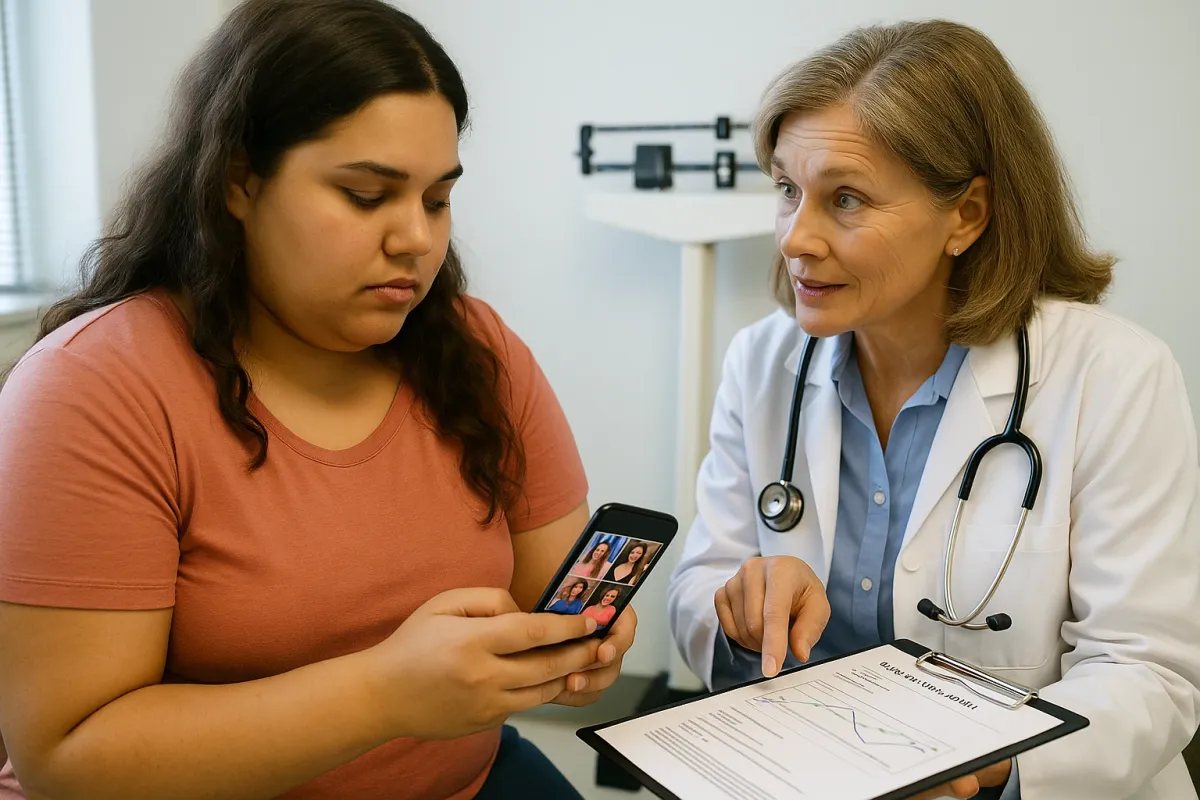
This kind of viral moment can be a mixed bag. On one hand, seeing someone transform can be motivating; on the other, it can leave you staring at your own reflection, feeling behind or “not good enough.” If you’ve felt a little tug of comparison after seeing McCarthy trend, you are absolutely not alone.
But your body isn’t trending news. It’s your long‑term home. And your health goals deserve more than a 30‑second clip, a red‑carpet angle, or a comment section guessing game. Let’s use this moment—not to judge ourselves—but to recommit to goals that are sustainable, kind, and genuinely aligned with your life.
Below are five supportive, realistic wellness shifts you can make right now—no injections, no crash diets, no public spotlight required.
1. Shift the Question From “How Fast?” to “How Sustainable?”
The coverage around Melissa McCarthy’s transformation has focused heavily on speed and method—how quickly she changed, what she might have used. That mirrors the way diet culture trains us to think: faster is better, thinner is best. But for genuine health, sustainability beats speed every single time. Before you change anything, ask: “Could I see myself living this way six months from now?” If the answer is no, it’s not a sustainable goal; it’s a short‑term stunt.
Instead of extreme overhauls, try small, steady changes: adding one vegetable to lunch each day, going for a 10‑minute walk after dinner, or aiming to cook at home one more night a week. These may look tiny compared to a 95‑pound headline, but they’re the exact kind of habits that quietly rewire your life. When your goals are built on what you can repeat—not what you can endure—you stop cycling through “all in” and “burned out,” and start building a life where healthy choices feel normal, not heroic.
2. Protect Your Mental Health From Comparison Culture
The moment a celebrity’s body trends, comparison sneaks in: “Should I be losing that much?” “Why can’t I stick to anything?” “Do I need medication too?” But remember: you’re comparing your real life to someone else’s highlight reel, filtered through studio lighting, glam teams, stylists, PR strategies, and often, NDAs about what’s really going on behind the scenes. That’s not a fair fight—and you deserve fairness.
Protecting your mental health is a health goal, not a luxury. Curate your feeds: mute or unfollow accounts that leave you feeling worse about your body, even if they’re “inspirational.” Seek out creators who talk about strength, energy, mental health, and realistic progress—especially those who share setbacks and plateaus. When you catch yourself spiraling in comparison, gently redirect: “Their journey is theirs. Mine is valid, even if it looks different.” Over time, this deliberate mental reset becomes a powerful habit that supports everything else you’re trying to change.
3. Focus on Non‑Scale Wins (Because Headlines Never Do)
Most stories about McCarthy’s transformation fixate on one thing: the number. Ninety‑five pounds. It’s easy to internalize that as the ultimate measure of success. But your body and your health are giving you dozens of other signals every day, and they’re often more meaningful than anything a scale can tell you.
Start tracking non‑scale victories: sleeping through the night, having fewer energy crashes, feeling less winded on stairs, being able to carry groceries in one trip, noticing less joint pain, or handling stressful days without totally shutting down. These are not consolation prizes—they’re proof your body is responding to care. Keep a simple “Wins Log” in your notes app or journal, and jot down one or two wins each week. On days when the scale is stubborn or your progress feels invisible, this list becomes a powerful reminder that your effort is working in ways that truly matter.
4. Build a Health Plan Around Your Real Life, Not a Movie Montage
Celebrities often have access to personal chefs, trainers, doctors, and flexible schedules that don’t reflect real‑world chaos—commutes, kids, budget constraints, chronic conditions, stress. It’s easy to picture transformation like a movie montage, but your life is lived in real hours, on real energy levels, with real responsibilities. Treating those realities as obstacles instead of design constraints sets you up to feel like you’re failing before you even start.
Start with your actual week. What time do you truly wake up? When are you most tired? What dinners do you default to when you’re stressed? Then, design around that. If evenings are hectic, aim for a short morning stretch routine. If cooking feels overwhelming, simplify to “assembly meals” (rotisserie chicken or tofu, bagged salad, microwavable grains). If your energy dips in the afternoon, schedule a brisk 5‑minute walk rather than forcing a full workout you’ll skip. By honoring how your life really looks right now, you create a health plan you’re more likely to follow—and that’s infinitely more powerful than a perfect plan you abandon after a week.
5. Give Yourself Permission to Use Tools—But Keep You in the Driver’s Seat
One reason Melissa McCarthy’s weight loss is sparking so much conversation is the broader cultural debate around tools like GLP‑1 medications (Ozempic, Wegovy, Mounjaro) for weight management. Some people need medical support due to metabolic or hormonal issues; others don’t. The important thing is this: using tools doesn’t make you weak, and not using them doesn’t make you “more pure.” What matters is informed choice and long‑term health.
If you’ve been wondering about medications, nutrition coaching, physical therapy, or even mental health support as part of your goals, permission to explore them: granted. Talk to a qualified healthcare professional who knows your history, not a comment thread or a rumor. Ask about side effects, lifestyle changes, and what maintenance looks like long term. And if you decide that your current path—focusing on movement, nutrition, stress, and sleep—is right for you, that’s equally valid. You are not failing if your journey doesn’t look like a trending story; you are succeeding every time you make choices that are grounded in your needs, values, and well‑being.
Conclusion
Melissa McCarthy’s transformation is lighting up headlines right now, but your health is lived quietly—in your kitchen, on your walks, in your bedtime routine, in the way you talk to yourself when no one is watching. The internet will keep chasing the next shocking “before and after.” You get to chase something better: steadier energy, deeper confidence, less pain, more joy in your own body.
Today, choose one small, doable action: a glass of water before your coffee, a 10‑minute walk, five minutes of stretching, writing down three non‑scale wins, or muting an account that makes you feel less than. These little, almost invisible choices are how real health goals are built.
You don’t need a viral moment to validate your progress. You are allowed to change slowly. You are allowed to prioritize mental health. You are allowed to define success on your own terms.
And even if nobody’s talking about it on social media, your quiet, consistent effort is newsworthy in the story that matters most—yours.